
Building Permits in San Leandro, CA: A Step-by-Step Guide for Homeowners and Business Owners
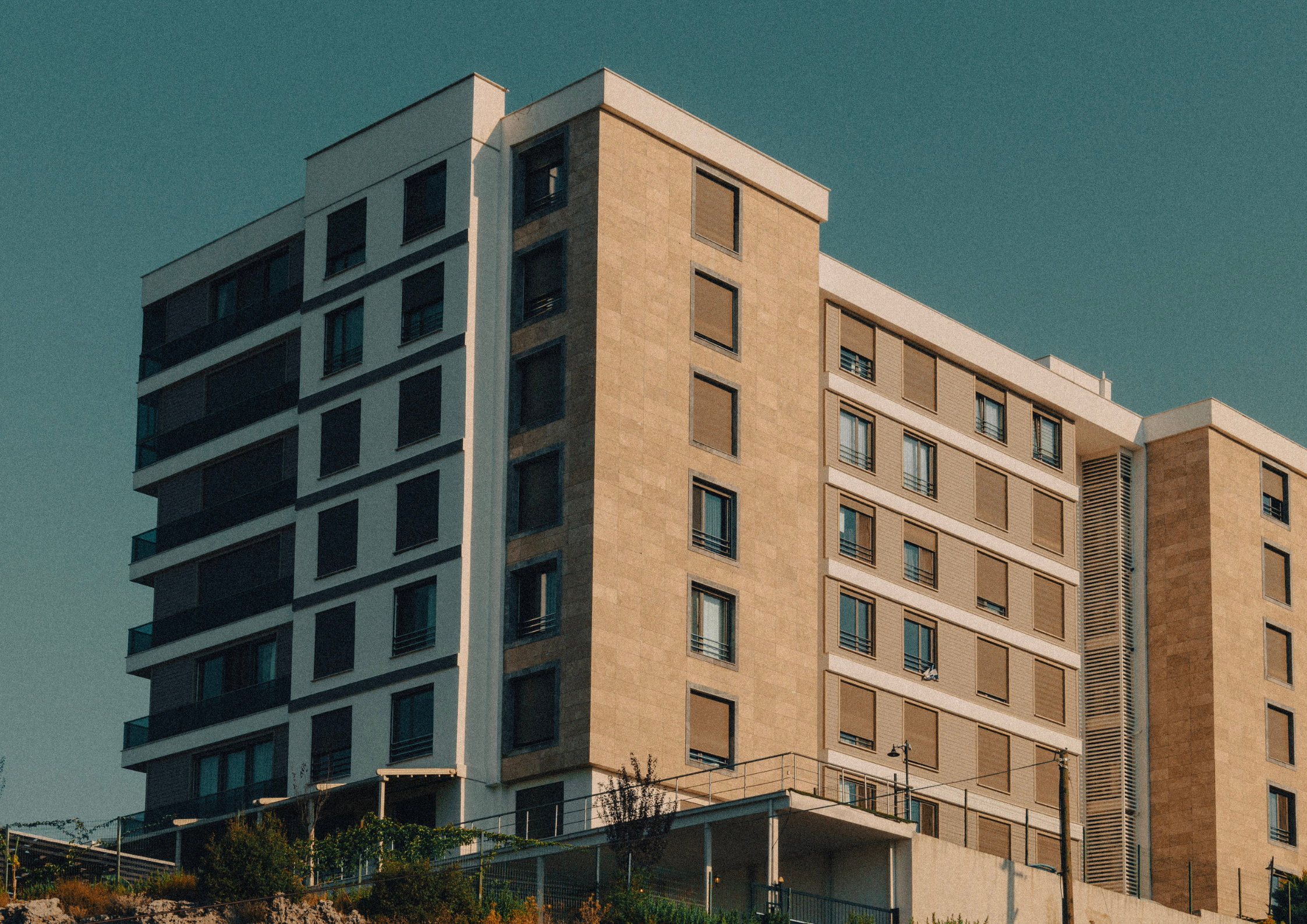
Planning a construction project in San Leandro? Here's everything you need to know about the building permit process before breaking ground.
Whether you're building a new home, remodeling a kitchen, adding an ADU, renovating a commercial space, or making structural improvements, obtaining the proper permits is a critical part of the construction process. Understanding the permit requirements can help you avoid costly delays, fines, and potential issues when selling your property in the future.
At Forward Design Build, we guide homeowners and business owners through every phase of construction—from design and permitting to project completion. This guide explains how to obtain a building permit in San Leandro, California and what to expect throughout the process.

What Is a Building Permit?
A building permit is an official approval issued by the local building department that authorizes construction, renovation, or alteration work on a property.
Permits help ensure that projects comply with:
California Building Code
California Residential Code
California Electrical Code
California Plumbing Code
California Mechanical Code
Local San Leandro Municipal Codes
Zoning and land-use regulations
Building permits are designed to protect property owners, occupants, and the community by ensuring construction is performed safely and correctly.
When Is a Building Permit Required in San Leandro?
Many property owners are surprised by how many projects require permits.
Common projects that typically require permits include:
Residential Projects
New home construction
Home additions
Accessory Dwelling Units (ADUs)
Garage conversions
Kitchen remodels
Bathroom renovations
Structural modifications
Roof replacements
Window and door modifications
Deck construction
Solar panel installations
Commercial Projects
Tenant improvements
Office renovations
Restaurant construction
Retail build-outs
Warehouse improvements
Mechanical, electrical, and plumbing upgrades
Accessibility (ADA) improvements
Even seemingly minor projects may require permits depending on their scope.
Before starting any work, consult with a licensed contractor or the local building department.
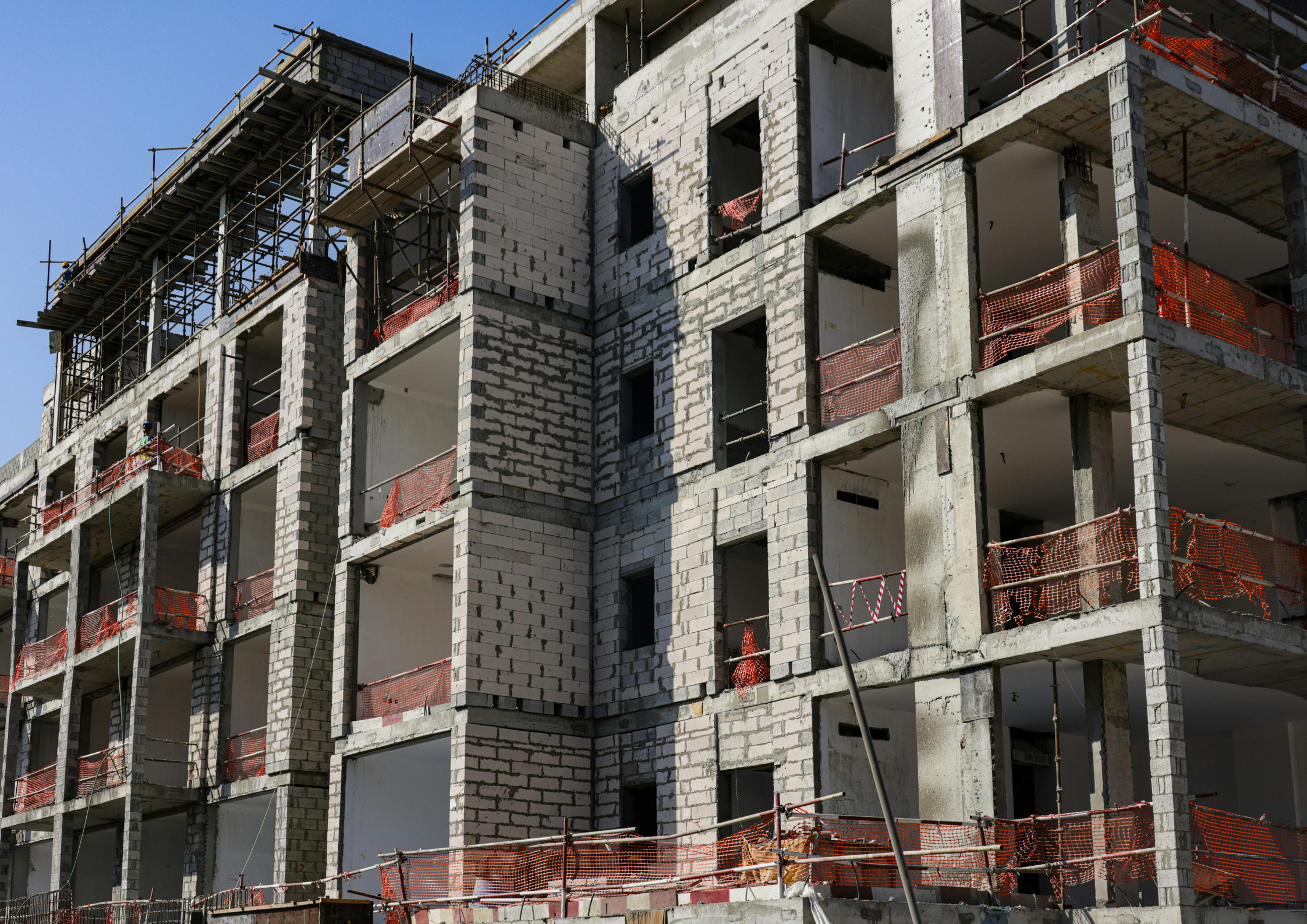
Step 1: Determine Project Requirements
The first step is identifying exactly what your project involves.
Questions to consider include:
Is the work structural?
Will electrical, plumbing, or mechanical systems be modified?
Are walls being removed or added?
Will the project change the building footprint?
Does the property have zoning restrictions?
A professional design-build contractor can help evaluate permit requirements before plans are prepared.
Step 2: Prepare Construction Plans
Most permit applications require detailed construction drawings.
Depending on the project, plans may include:
Site plans
Floor plans
Elevations
Structural calculations
Electrical plans
Plumbing plans
Mechanical plans
Energy compliance documents
For larger projects, licensed architects and engineers may be required.
Well-prepared plans help reduce review times and minimize correction requests.
Step 3: Submit Plans for Plan Review
Once the plans are completed, they are submitted to the City of San Leandro Building Division for review.
During this stage, multiple departments may evaluate the project, including:
Building
Planning
Engineering
Fire Department
Public Works
Reviewers verify that the proposed construction complies with applicable building codes and local regulations.
If corrections are needed, comments will be issued for revision before approval.

Step 4: Obtain Permit Approval
After all plan review comments have been addressed and fees are paid, the building permit is issued.
Permit fees vary depending on:
Project size
Construction value
Scope of work
Required inspections
Once permits are approved, construction may legally begin.
Starting work before permit issuance can result in penalties, stop-work orders, and additional costs.
Step 5: Begin Construction
With permits in hand, construction can move forward.
This phase may include:
Site preparation
Demolition
Framing
Electrical installation
Plumbing installation
Mechanical systems
Insulation
Drywall
Finishes
Throughout construction, the approved plans must remain available on-site for inspectors.
Step 6: Schedule Required Inspections
Inspections are a critical part of the permitting process.
Typical inspections may include:
Foundation Inspection
Before concrete placement.
Framing Inspection
After structural framing is completed.
Electrical Inspection
To verify electrical installations meet code requirements.
Plumbing Inspection
To ensure proper plumbing system installation.
Mechanical Inspection
For HVAC and ventilation systems.
Insulation Inspection
Before drywall installation.
Final Inspection
Conducted when construction is complete.
The inspector confirms that work matches the approved plans and meets current building codes.
Step 7: Receive Final Approval
After successfully passing all required inspections, the project receives final approval.
For new buildings and major renovations, a Certificate of Occupancy may also be issued.
This document confirms that the building is safe for occupancy and compliant with applicable regulations.
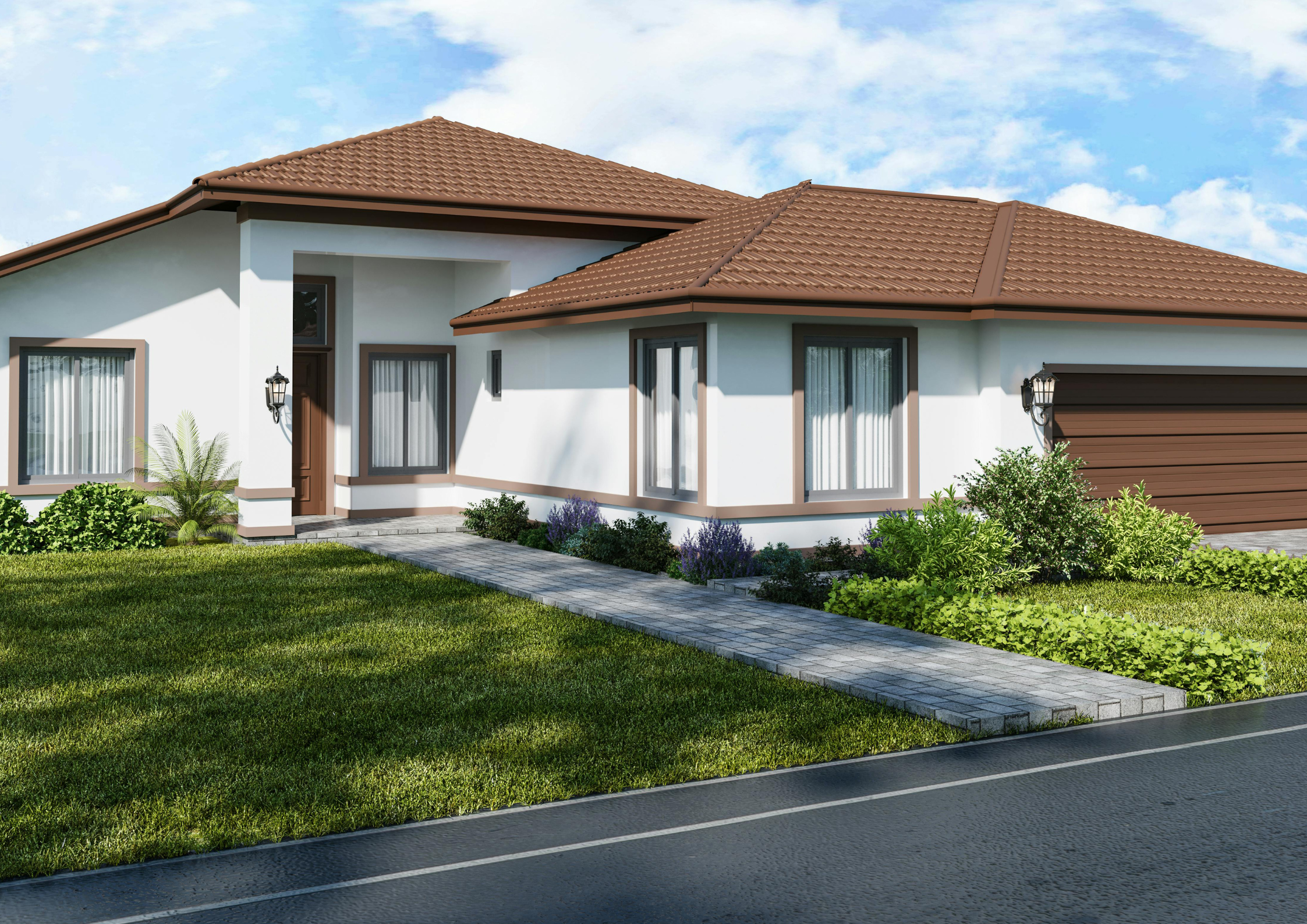
Common Permit Mistakes to Avoid
Many construction delays result from preventable mistakes.
Avoid these common issues:
Starting Construction Without Permits
Unpermitted work can lead to fines and expensive corrective measures.
Incomplete Plan Submittals
Missing information often results in review delays.
Frequent Design Changes
Changes after permit approval may require revisions and additional reviews.
Hiring Unlicensed Contractors
Always verify contractor licensing and insurance before signing an agreement.
Missing Inspection Appointments
Failed or missed inspections can affect project timelines and budgets.
How Long Does It Take to Get a Building Permit in San Leandro?
Permit timelines vary based on project complexity.
General estimates include:
Minor Remodels: 1–4 Weeks
Kitchen & Bathroom Renovations 2–6 Weeks
ADU 4–12 Weeks
Home Additions 6–12 Weeks
New Home Construction 2–6 Months
Commercial Tenant Improvements 4–12 Weeks
Timelines may vary depending on city workload, project scope, and the completeness of submitted plans.

Why Work with a Design-Build Contractor?
Navigating permits can be one of the most challenging aspects of any construction project.
A design-build firm helps streamline the process by:
Preparing permit-ready plans
Coordinating with city departments
Managing plan revisions
Scheduling inspections
Keeping projects compliant
Reducing delays and unexpected costs
This integrated approach helps property owners save time while maintaining project quality.
Build with Confidence in San Leandro
Obtaining a building permit is a vital step in ensuring your construction project is safe, legal, and successful. Whether you're planning a residential remodel, ADU, commercial tenant improvement, or new construction project, understanding the permitting process can help you avoid setbacks and keep your project moving forward.
At Forward Design Build, we provide complete design-build services throughout San Leandro and surrounding Bay Area communities. Our experienced team handles planning, permitting, construction, and project management so you can focus on bringing your vision to life.
Ready to Start Your Project?
Contact Forward Design Build today to schedule a consultation and learn how we can help simplify the building permit process for your next residential or commercial construction project.